A recent decision by the U.S. Court of Appeals (D.C. Circuit) will require the U.S. to reevaluate the environmental impacts of disposal and storage of nuclear waste. The decision vacated the NRC’s Waste Confidence Decision Update and Temporary Storage Rule, which 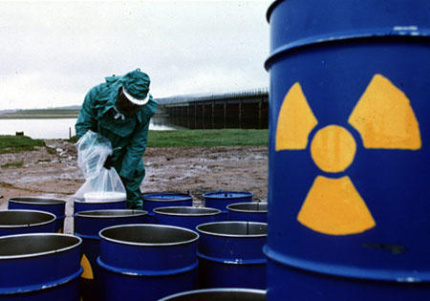 will essentially require the NRC to restart the process of evaluating the safety and potential consequences of producing, accumulating, and storing spent nuclear fuel.
Explaining the decision, the Court writes that “the Commission’s evaluation of the risks of spent nuclear fuel is deficient in two ways: First, in concluding that permanent storage will be available ‘when necessary,’ the Commission did not calculate the environmental effects of failing to secure permanent storage—a possibility that cannot be ignored. Second, in determining that spent fuel can safely be stored on site at nuclear plants for sixty years after the expiration of a plant’s license, the Commission failed to properly examine future dangers and key consequences.”
What is your take on the Court’s decision? What does this mean for the NRC and the future of the nuclear industry?
“Bravo!” to the court. The present situation regarding nuclear waste is dysfunctional. Solving the waste problem is one of the key issues retarding further nuclear generating capacity. The NRC needs… Read more »