
Our Programs

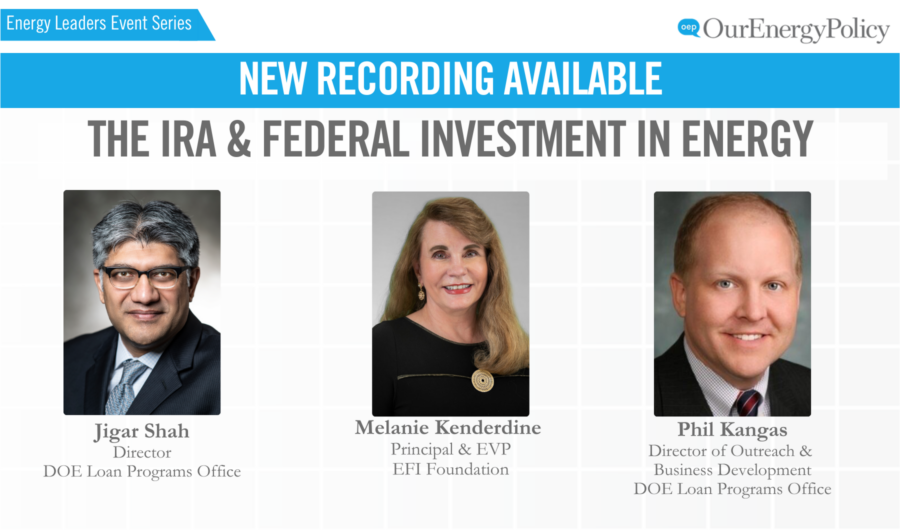
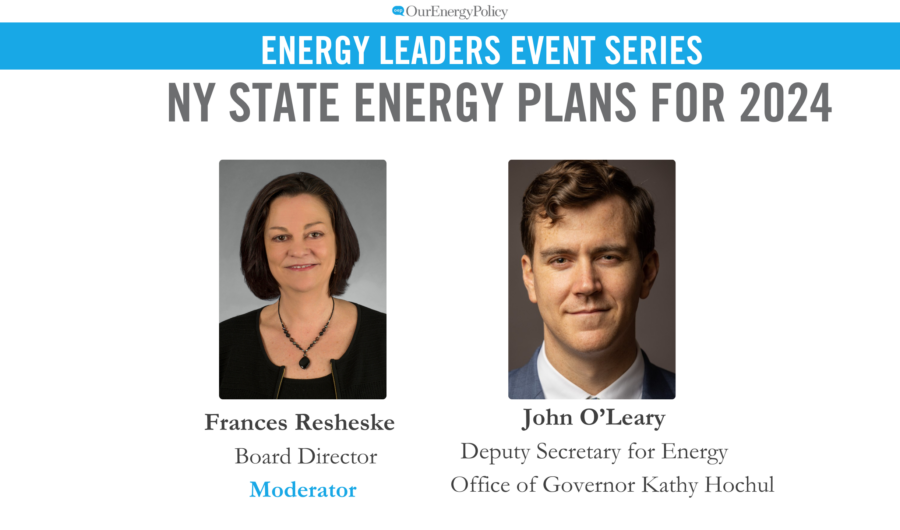
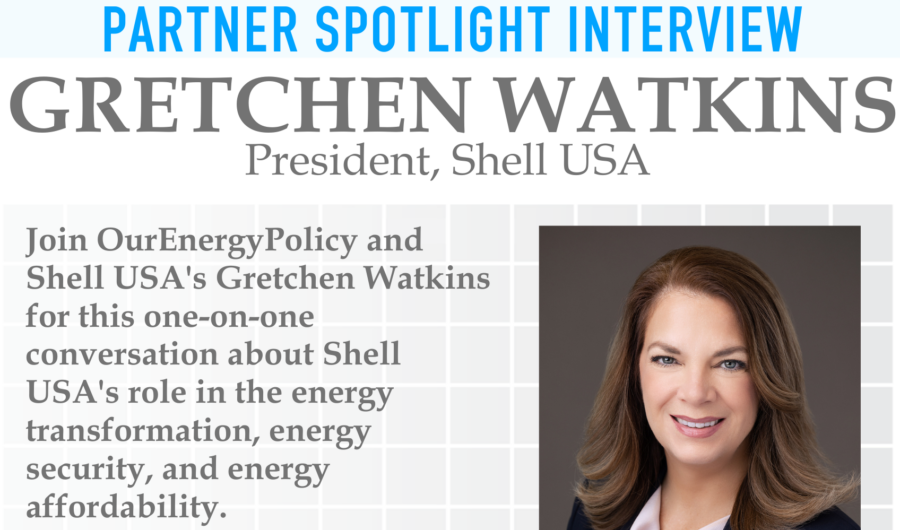
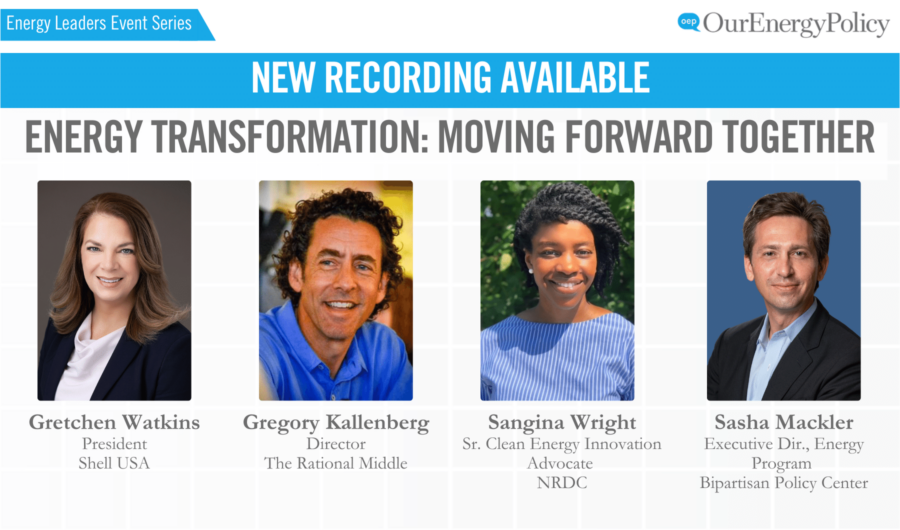
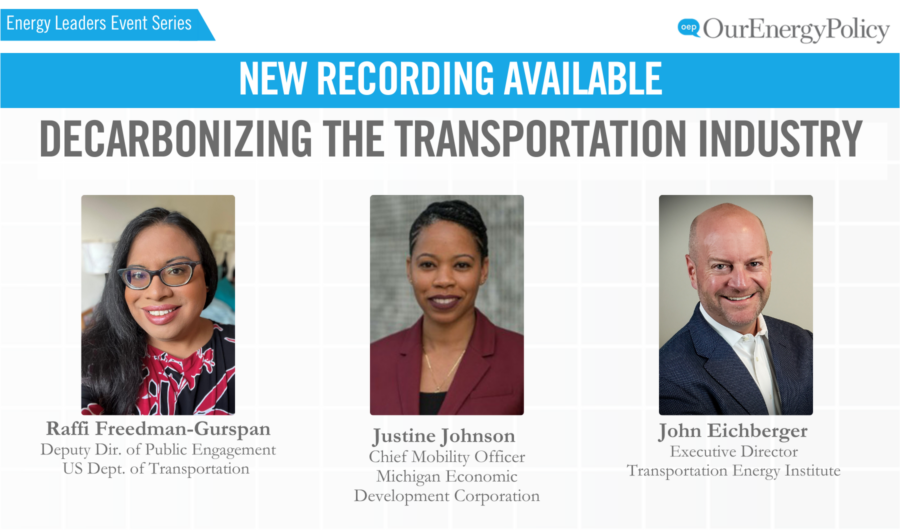
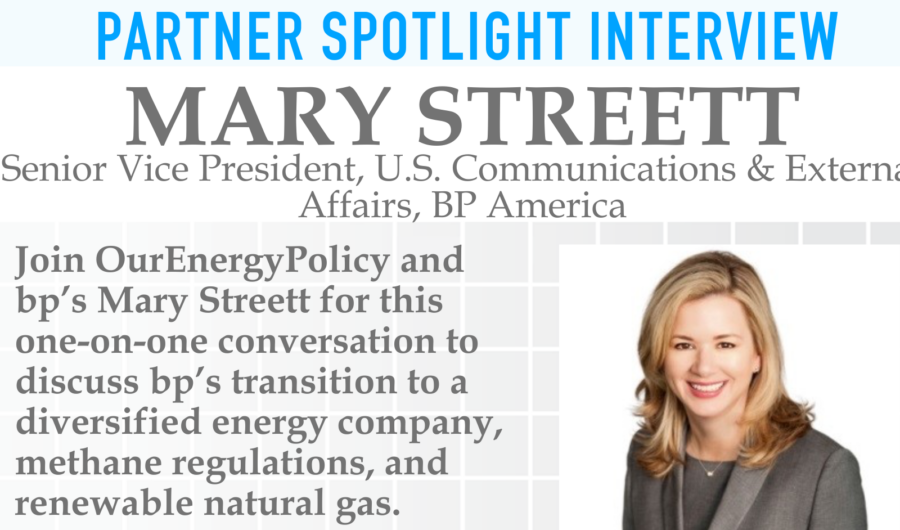
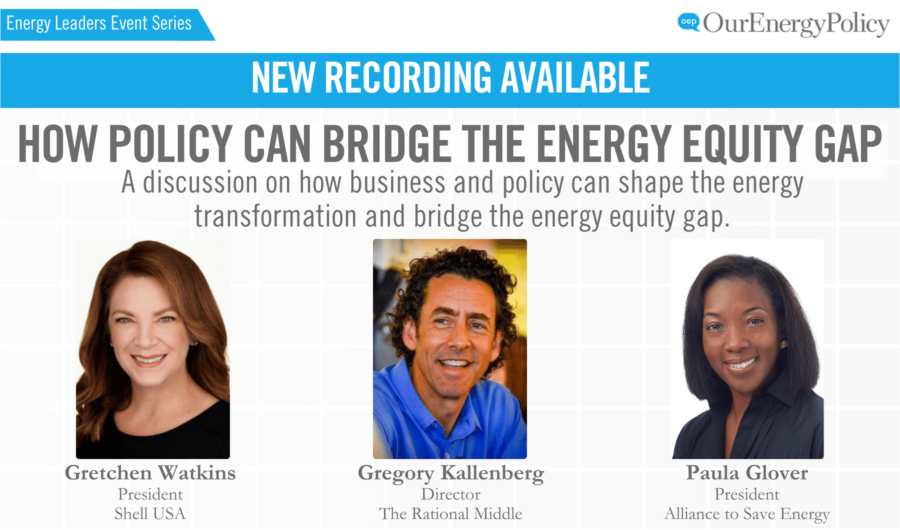
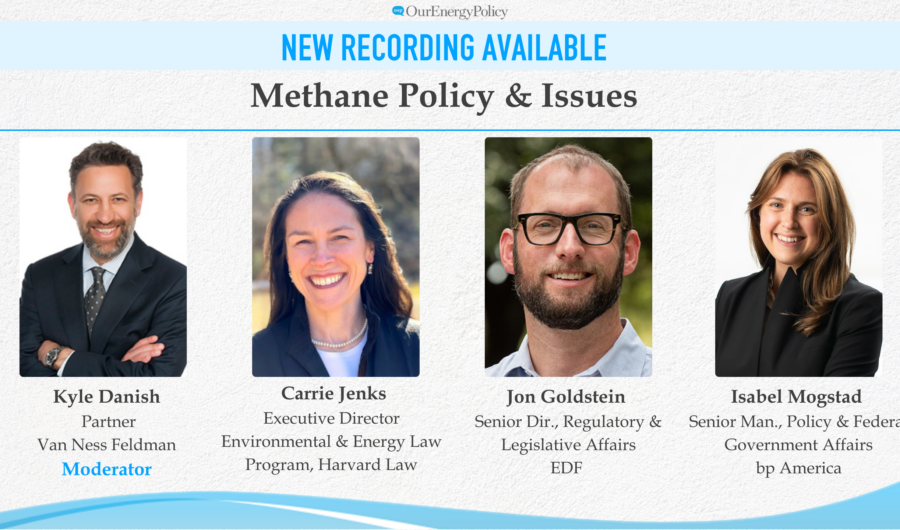
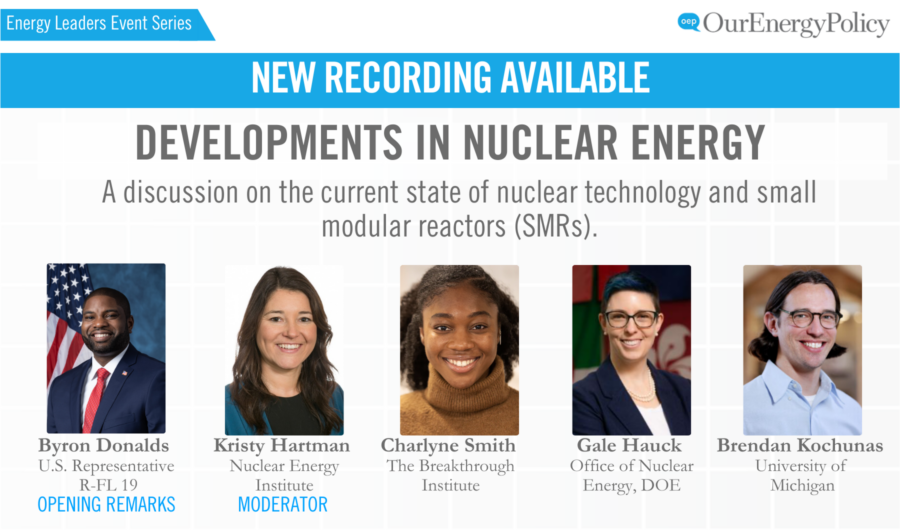
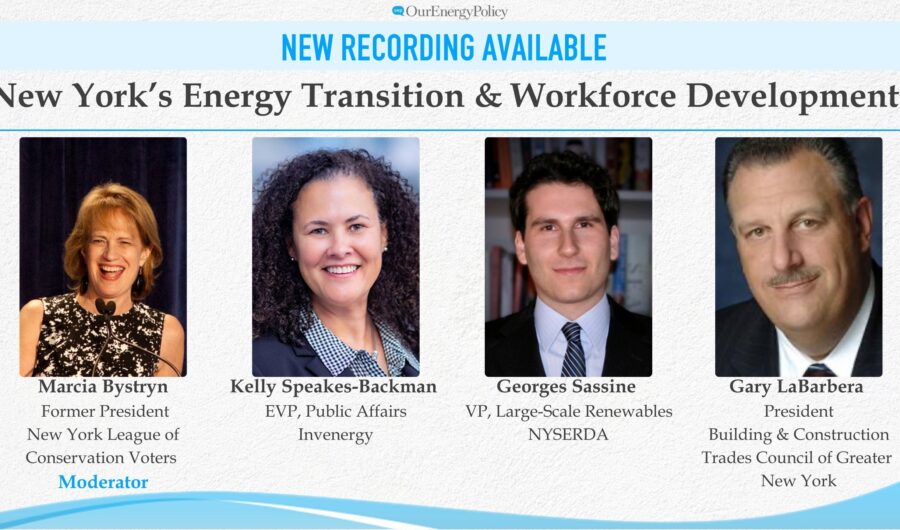
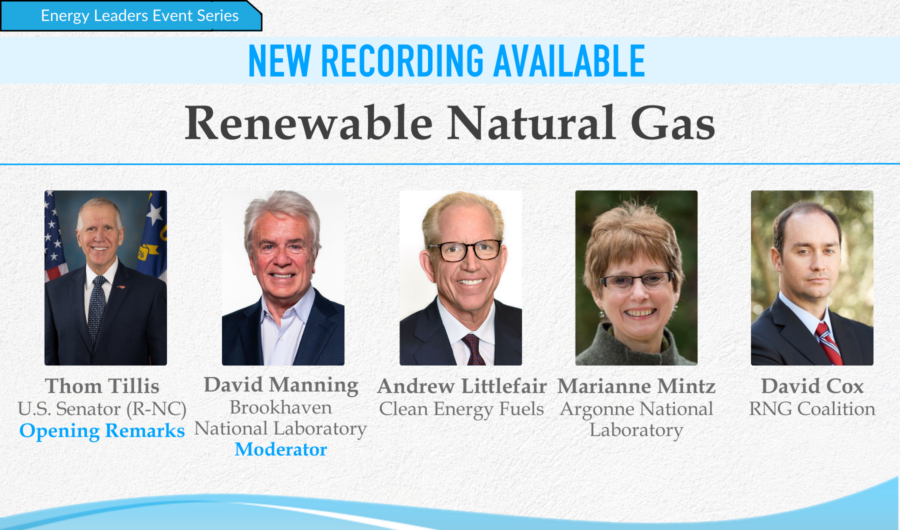
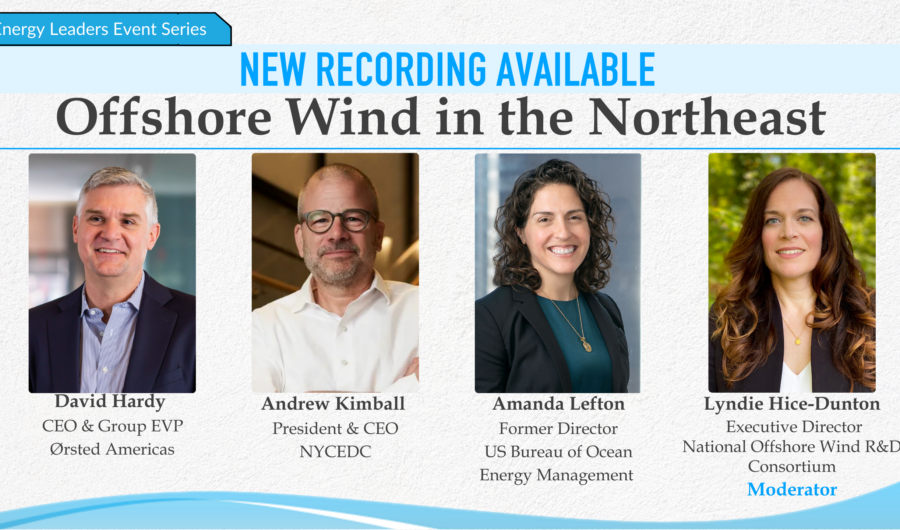
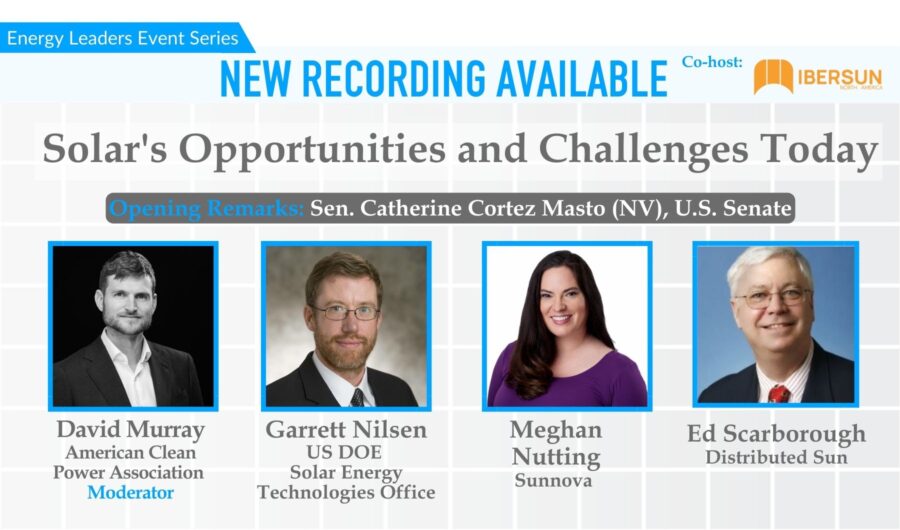
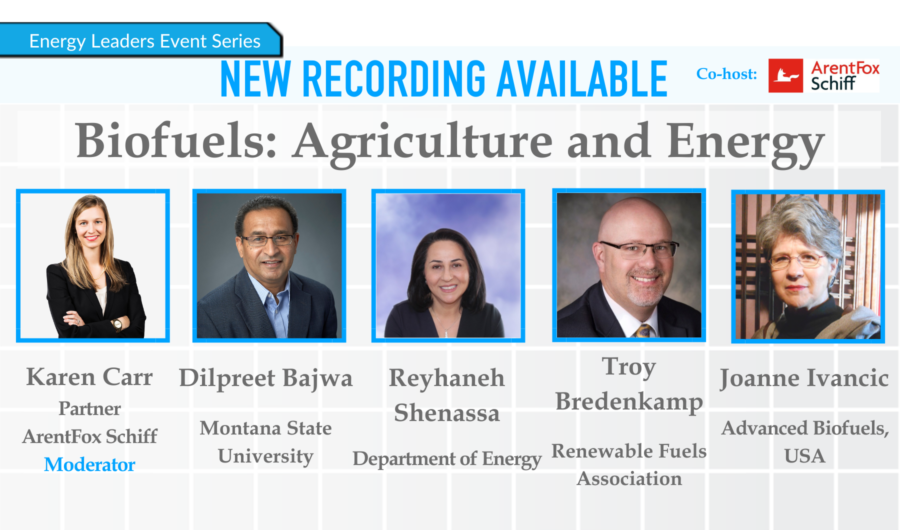
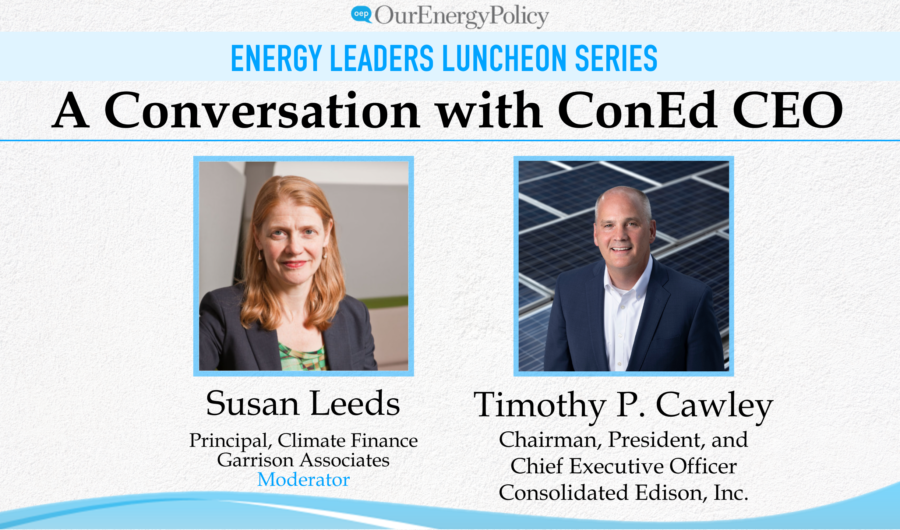
Energy Leaders Event Series
Our unique non-partisan environment brings together energy leaders from across the political spectrum. These events attract high-level government officials from city, state, and federal organizations to participate and exchange ideas with our professional community.
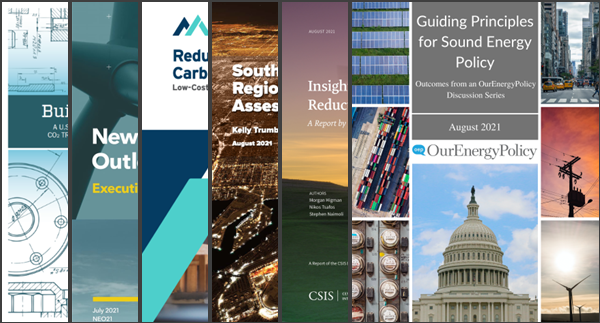
OurEnergyLibrary
The leading source of energy-focused reports, articles, whitepapers, fact sheets, and more. With over 7,500 resources, the OurEnergyLibrary is used by policymakers, educators, the media, and others to facilitate research and provide information on all things energy.

Energy Insights
Discussions, op-eds, and more from our diverse, nationwide community of more than 6,000 energy professionals and experts. Our vetted online community brings their expertise to bear on the most important issues facing the energy sector, offering their thoughts on potential solutions.
Energy in the News: Critical Minerals & Permitting
OurEnergyPolicy Content
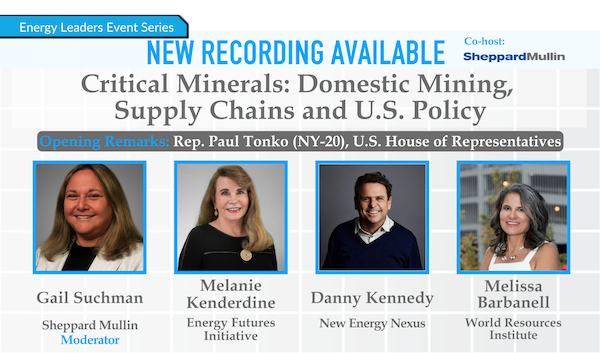
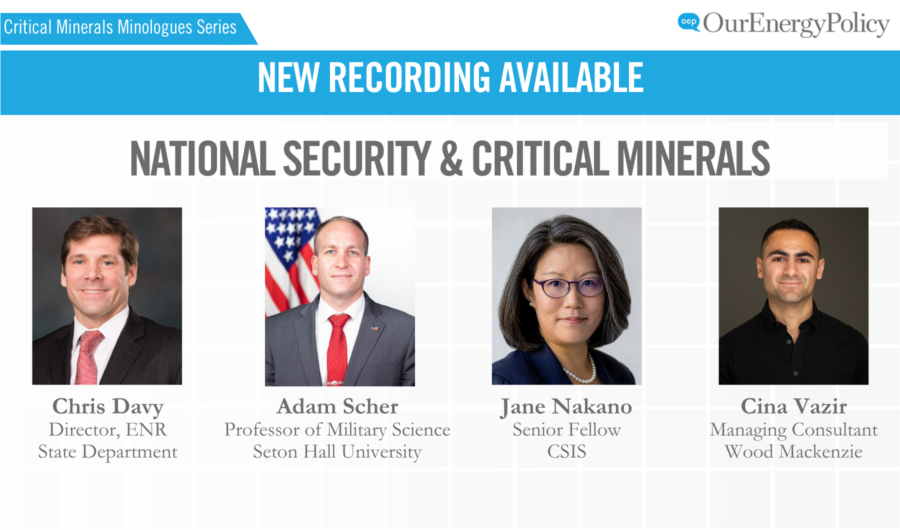
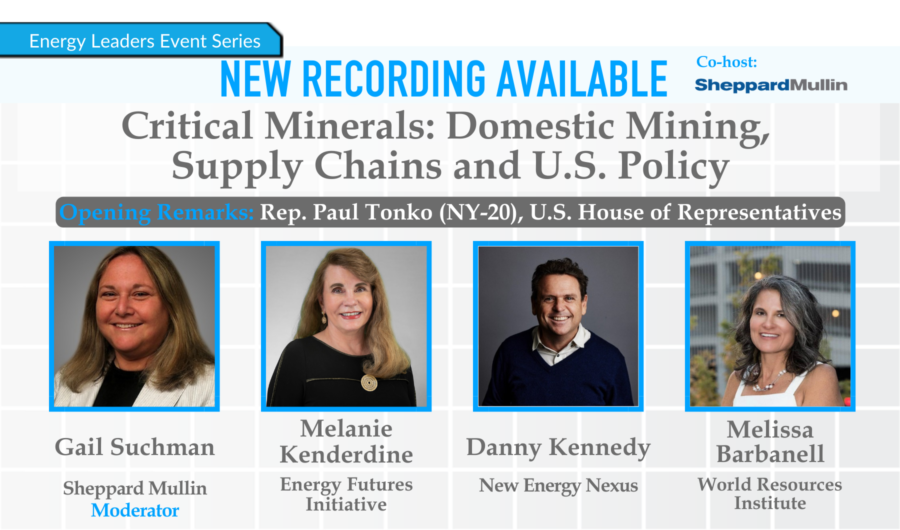
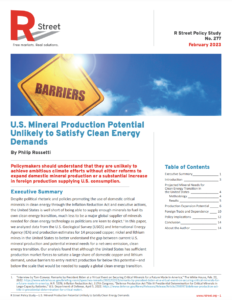
Critical Minerals: Domestic Mining, Supply Chains and U.S. Policy
Experts discuss the challenges posed by the energy transition’s powerful need for raw materials.
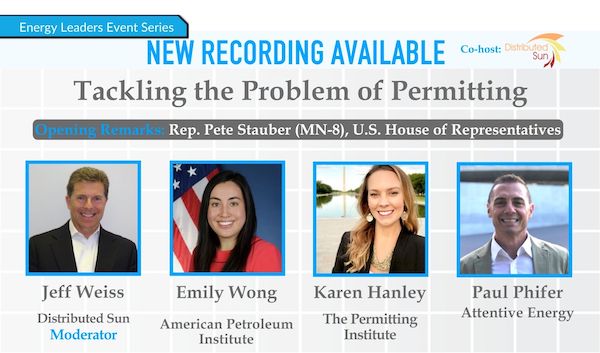
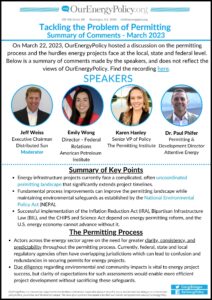
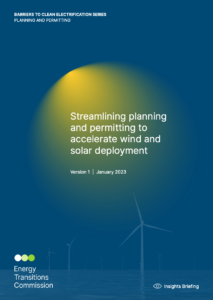
Tackling the Problem of Permitting
Experts discuss the permitting process and the hurdles energy projects face at the local, state and federal level.
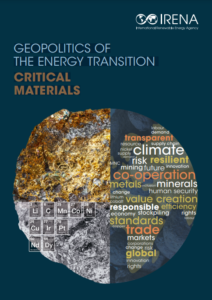
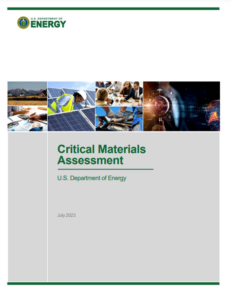
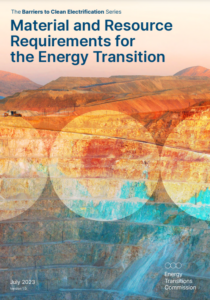
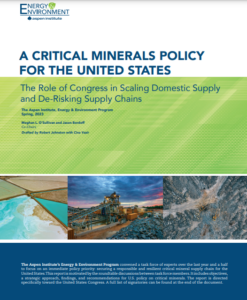
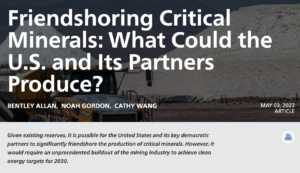
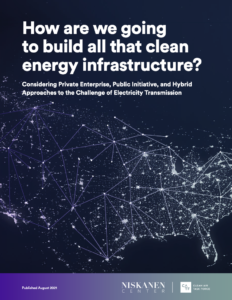
OurEnergyLibrary Resources on Critical Minerals




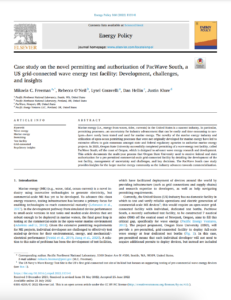
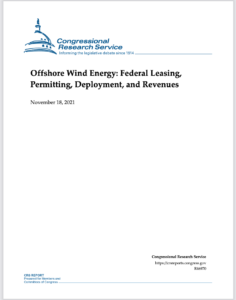
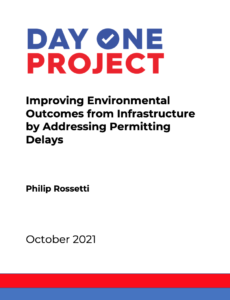
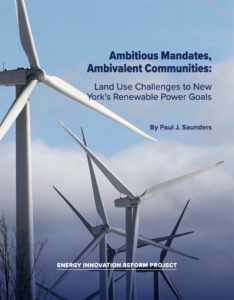
OurEnergyLibrary Resources on Permitting



About OurEnergyPolicy
The mission of OurEnergyPolicy is to facilitate substantive, responsible dialogue on energy policy issues, and provide this dialogue as a resource for the American people, policymakers, and the media. OurEnergyPolicy does not have or endorse any specific political, programmatic, policy, or technological agendas, but rather seeks to encourage a broad discussion of all points of view. OurEnergyPolicy empowers energy professionals representing every viewpoint from every sector to participate in and drive public dialogue that will sharpen distinctions, identify points of consensus, and stimulate innovative solutions in our energy policy.
Get Involved
Support Strong Energy Policy
The support and engagement of our nationwide community help make our work possible. Please consider making a gift today to help advance our mission of informing the creation of strong energy policy.

Register as an OEP Expert
OurEnergyPolicy seeks individuals substantively engaged in energy-related fields who can contribute to a meaningful energy policy dialogue. If you wish to join the conversation as an Expert, please click the link to register.

Find an Event
Visit our events page to find out more about OEP's event series as well as find events from across the energy sector. Whatever topic you're interested in, you'll find an event here worth attending.